Eight notes · architectural hardware

The fixing
is the product.

Fitting Detail Notes covers architectural hardware at the level of the fixing: hole spacing, cap torque, wall thickness, clamp depth, anchor capacity and gasket hardness.

Every note is written for the specifier and the installer, and it gives the numbers that decide whether a component becomes a joint.

No sponsorship, no affiliate links. Where a note points to a product page, it is the item the note describes.

What this desk does

Hole spacing before finish

Every note starts from the load path and ends with the number that has to be printed on the datasheet.


Aluminium and glass railing detail
A handle is a lever attached to a pane of glass through two holes. The
NOTE 01

Glass door handles: the load path, the hole spacing and the pull that loosens them

A handle is a lever attached to a pane of glass through two holes. The pane is the weak part, and the hole spacing decides where it breaks.

A sliding door runs on a track and hangs from trolleys. The track's se
NOTE 02

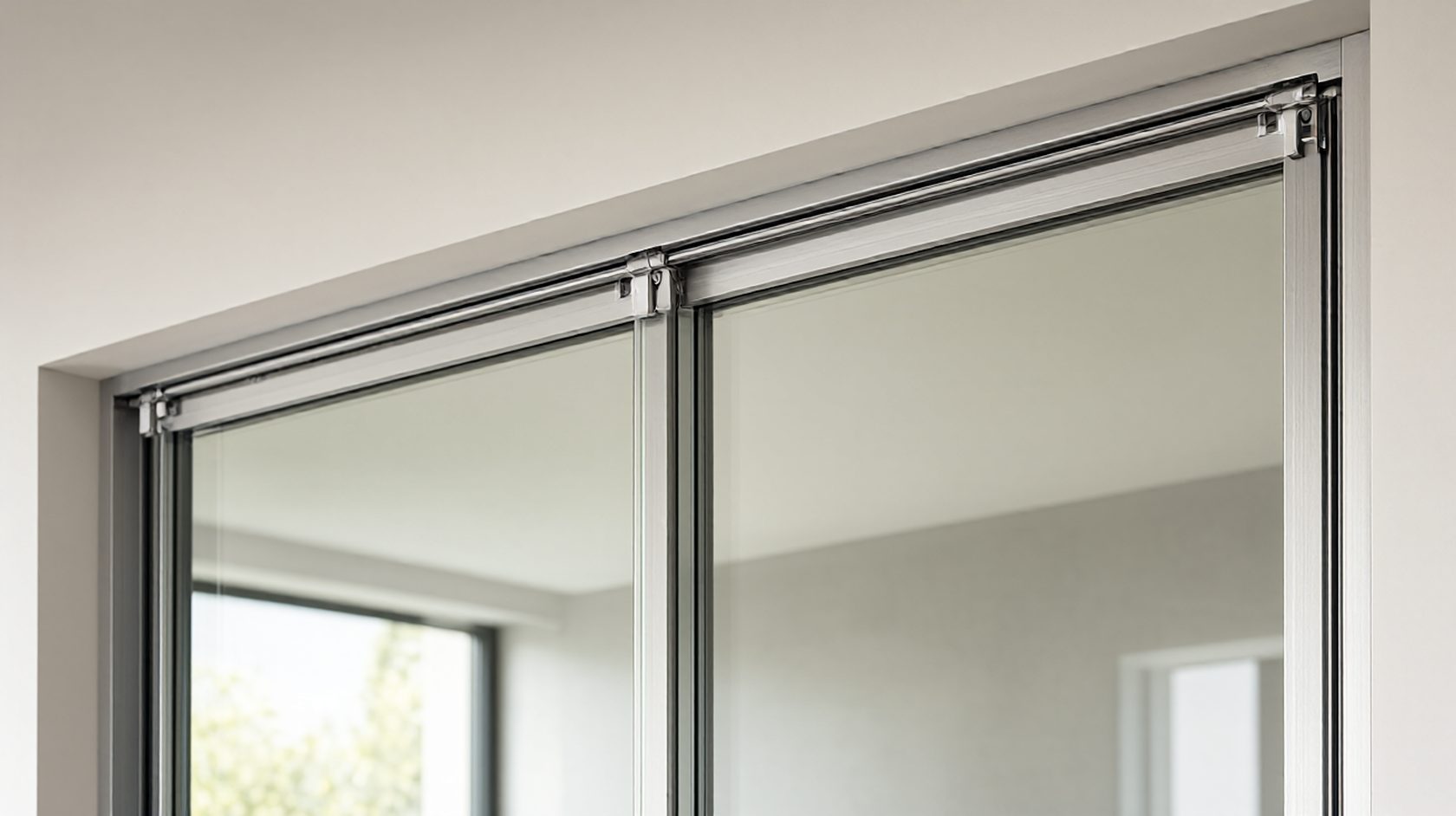
Double sliding door systems: track section, trolley load and the sag you cannot adjust

A sliding door runs on a track and hangs from trolleys. The track's section decides the load, the trolleys decide the smoothness, and the sag decides whether the door can be closed.

A tube is specified by its outside diameter, and its performance is se
NOTE 03

Brass and stainless tubing: wall thickness, temper and the joint that holds

A tube is specified by its outside diameter, and its performance is set by a wall thickness nobody prints on the label.

A combined towel bar and handle is two products on one bracket. The br
NOTE 04

Towel bar and handle combinations: fixing centres, tube size and the wall behind

A combined towel bar and handle is two products on one bracket. The bracket's strength, the tube's diameter and the wall's substrate decide whether it stays on the wall.

A clamp holds glass by friction and by the plate that bears on it. The
NOTE 05

Glass clamps: clamping force, body thickness and the corner they hold

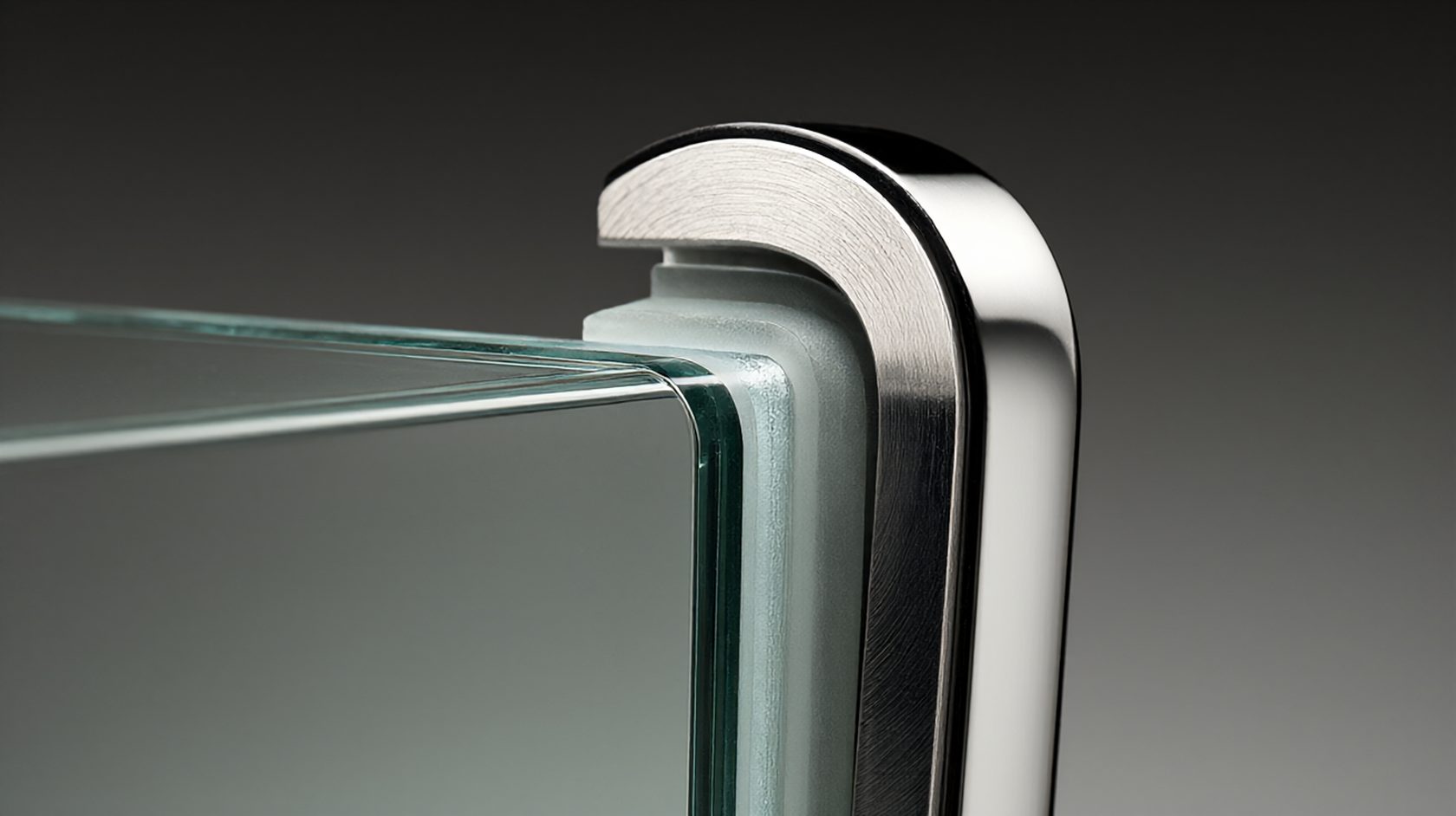
A clamp holds glass by friction and by the plate that bears on it. The numbers that matter are the glass thickness, the body's depth and the torque on the cap.

A railing is a barrier with a structural job. The glass is the infill,
NOTE 06

Aluminium glass railing systems: load cases, post spacing and the deflection limit

A railing is a barrier with a structural job. The glass is the infill, the posts carry the load, and the code decides which load case the system must survive.

A shower door's seal is a PVC profile with a magnetic stripe. It close
NOTE 07

Magnetic PVC seals: the stripe, the compression and the year it stops closing

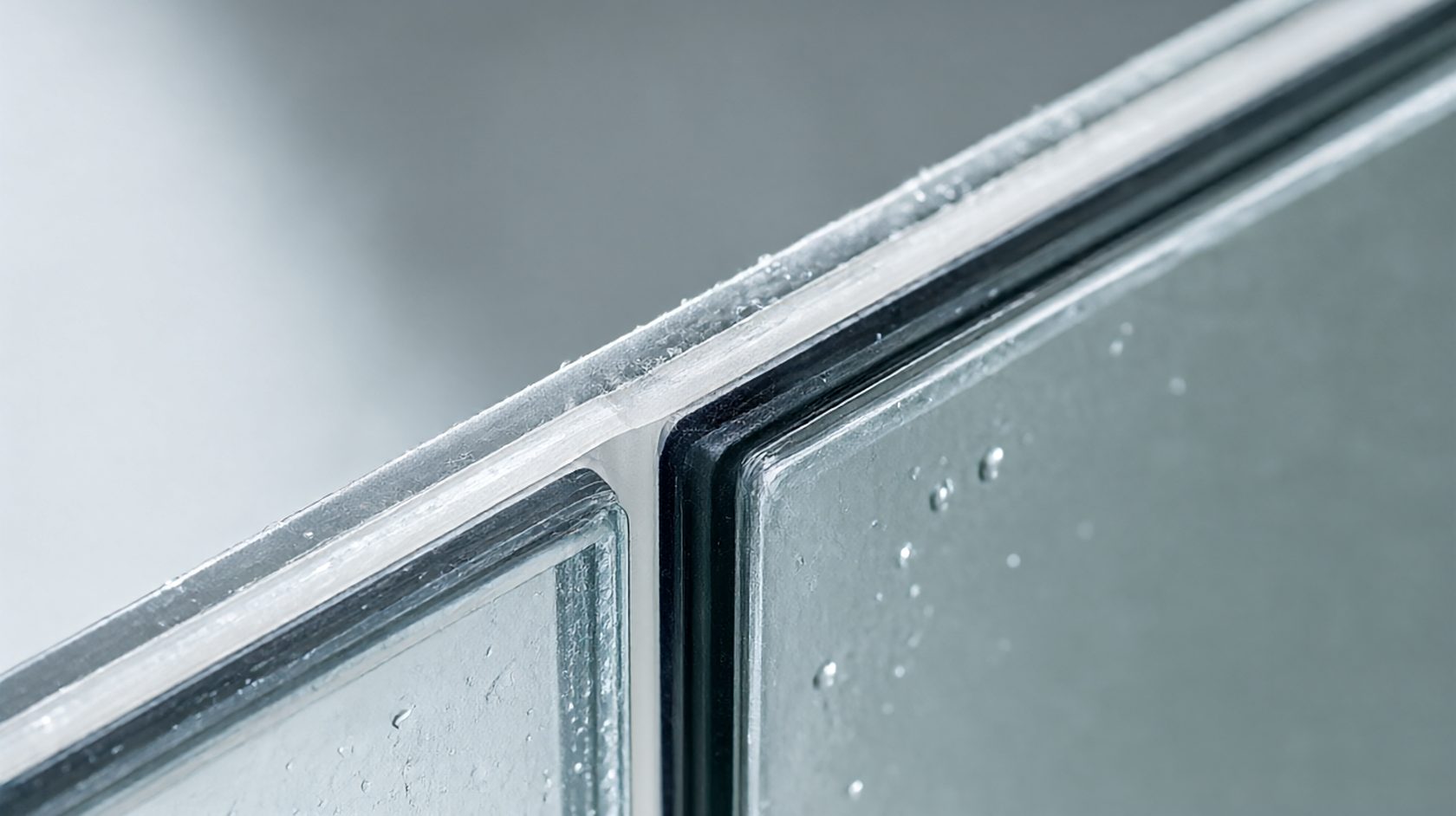
A shower door's seal is a PVC profile with a magnetic stripe. It closes by compression, not by magnetism, and the compression is set at installation.

A shelf clamp looks like a small bracket. It is a cantilever fixing, a
NOTE 08

Glass shelf clamps: the bolt's shear, the shelf's edge and the load you can put on it

A shelf clamp looks like a small bracket. It is a cantilever fixing, and the glass it holds is a plate that fails at its edge.